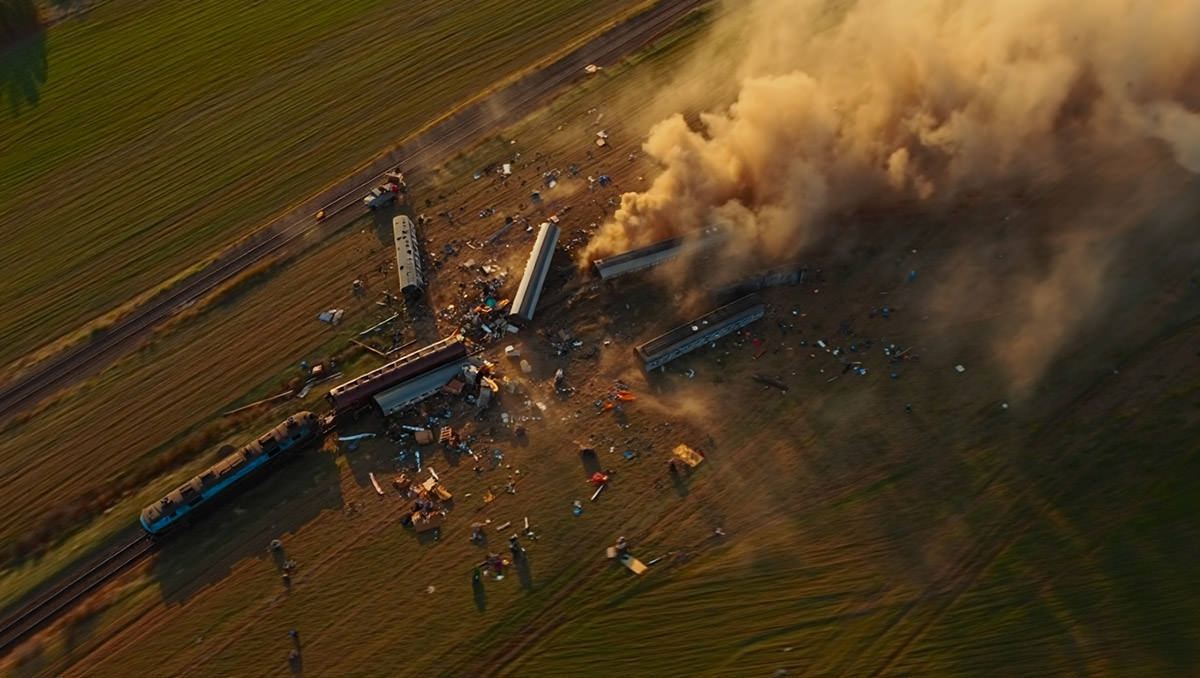
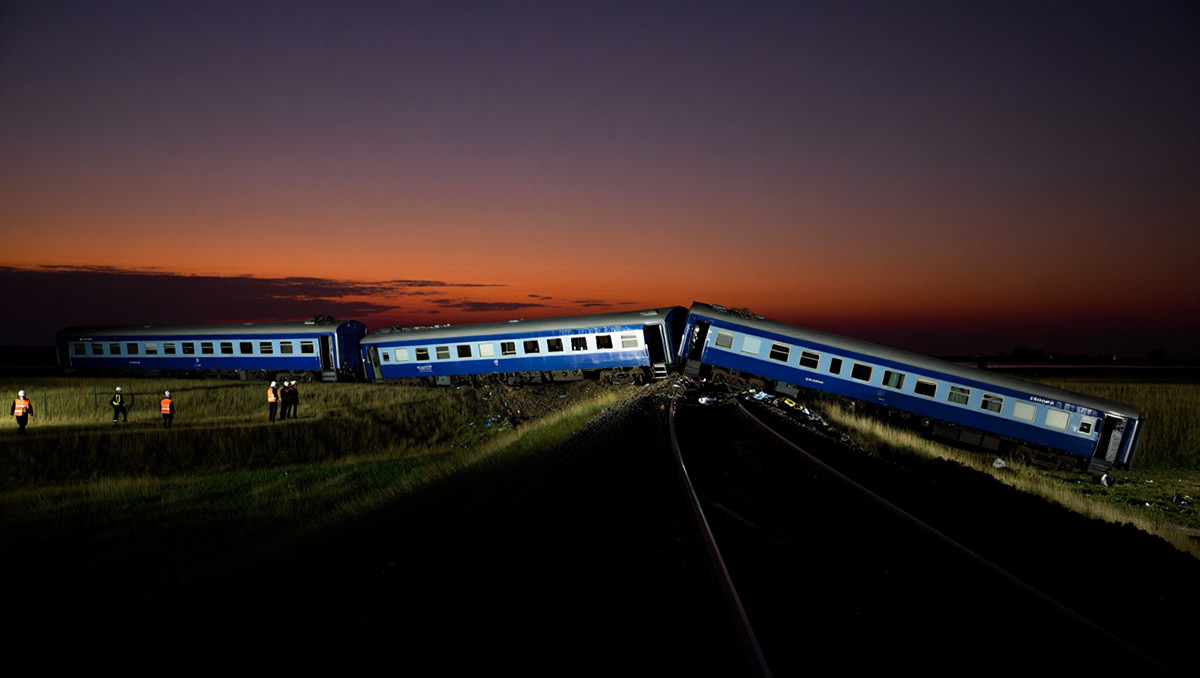
Passengers boarding the Iryo high-speed train in Málaga on the evening of January 18, 2026, likely expected a smooth ride to Madrid. At 7:45 pm, that assumption collapsed. In the quiet countryside near Adamuz, Córdoba, the train’s three rear cars derailed and slid onto the opposite track. Seconds later, an oncoming Renfe train bound for Huelva struck the cars. With 43 lives lost, the catastrophic train crash became Spain‘s deadliest rail disaster since 2013, when a train in Santiago de Compostela took a curve too fast and slammed into a wall, killing 79.
Knowing what to do before, during, and after a train crash can significantly improve your chances of getting out alive
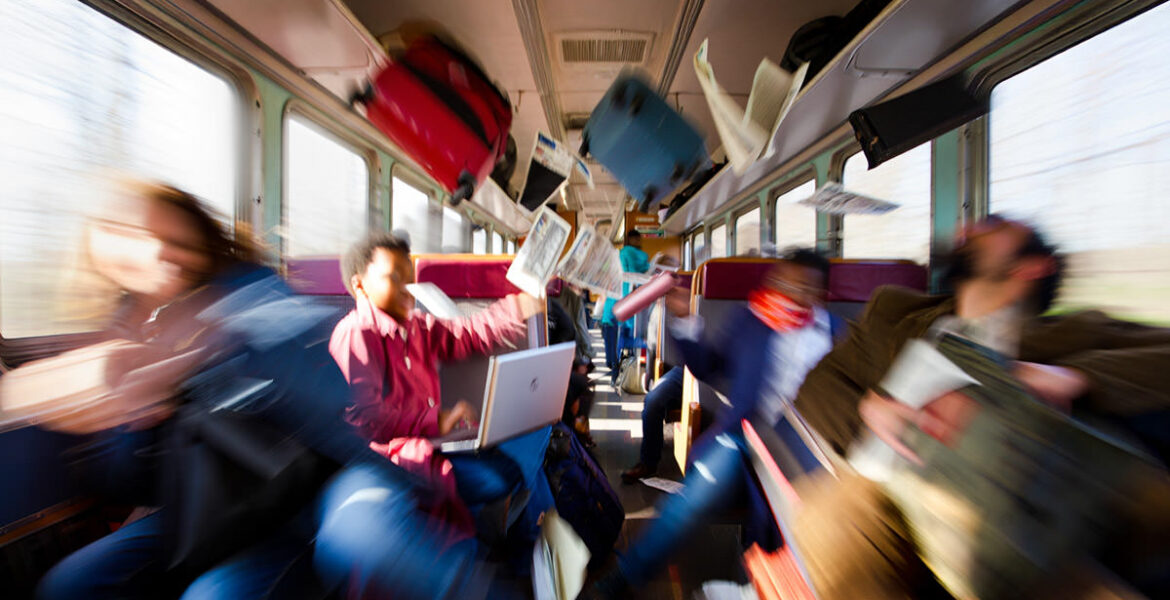
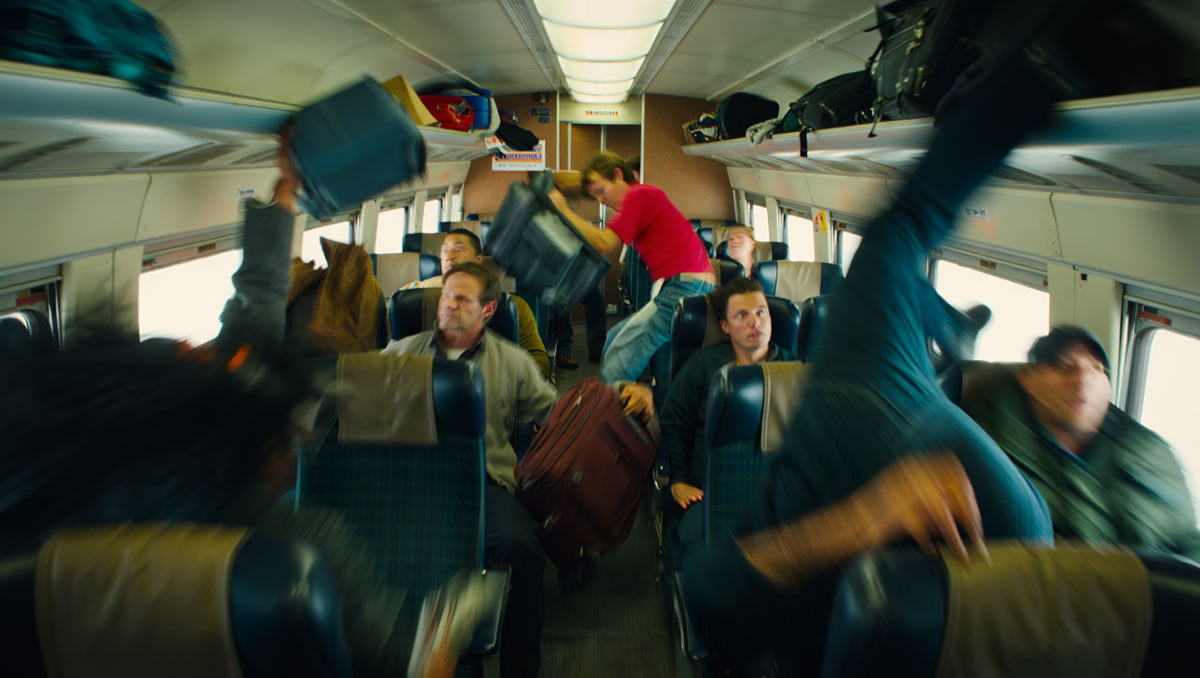
Adamuz survivors spoke of violent jolts, falling luggage, and a sudden plunge into darkness. One passenger recalled how the train swayed and vibrated intensely before the crash, suitcases raining down from overhead racks.
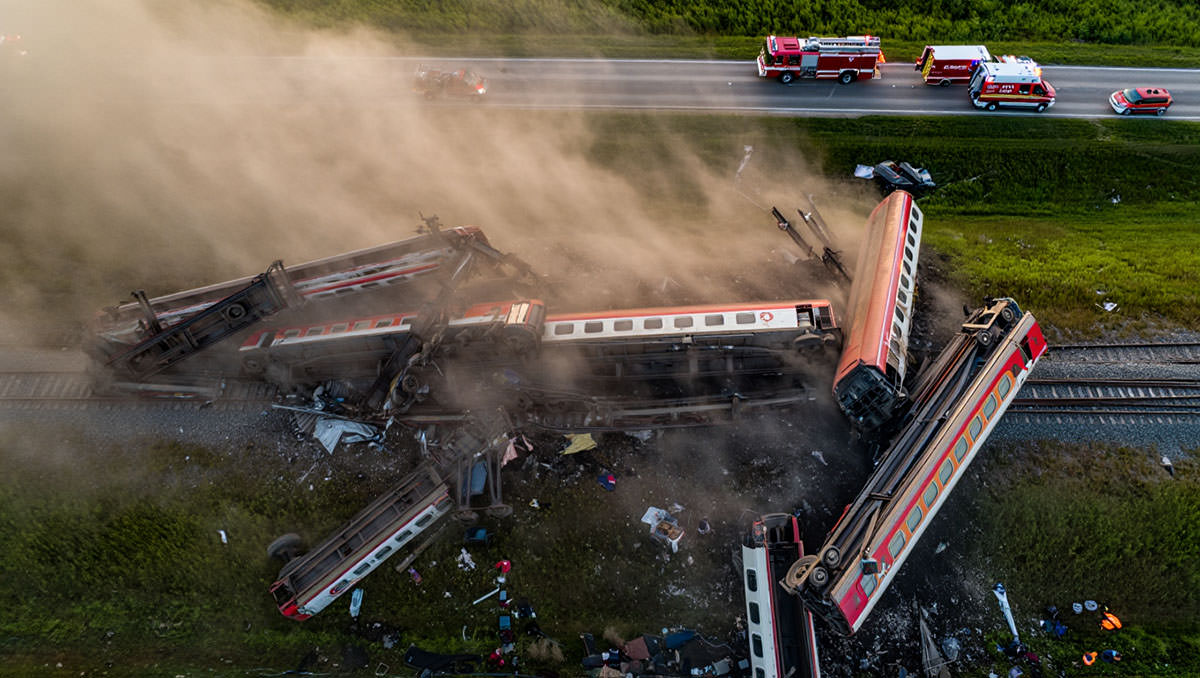
The aftermath was chaotic. Passengers climbed through shattered windows to escape. Emergency crews struggled to reach crushed carriages scattered down a slope. Some victims were found hundreds of meters from the crash site.
Before Spain’s three days of national mourning had even ended, tragedy struck again. On January 20, another train derailed in Gelida, Catalonia, after colliding with a fallen wall, taking one life.
A week earlier, in Sikhio, Thailand, a massive construction crane collapsed onto a moving train, killing 32 passengers. Inoperable automatic doors left them trapped in the wreckage on fire.
And this was only the beginning of the year, following 2025, which had already delivered deadly train crashes across India, Germany, Ethiopia, Egypt, Mexico, Peru, and beyond.
When train accidents happen, they are sudden, violent, and frightening. Derailments, collisions, fires, and evacuations unfold in seconds.
Knowing what to do before, during, and after a train crash can significantly improve your chances of getting out alive.
If you want to learn how to survive a train crash, read this practical guide!
How many trains crash each year?
Every year, trains are involved in thousands of accidents worldwide.
In the United States, derailments average just over 1,000 per year (3-4 a day). In 2024, there were 954 railroad-related deaths, but only two of those victims were train passengers. The vast majority of fatalities involved trespassers and vehicles at highway-rail crossings.
The picture is similar in the European Union. In 2024, the EU recorded 1,507 significant railway accidents, resulting in 750 deaths. Out of those, just 16 were train passengers. Again, most fatalities involved unauthorized persons on tracks or level-crossing users, not travelers.
If you suffer from siderodromophobia, or the fear of trains, scrolling through headlines on the most recent train crashes can easily reinforce your anxiety. The human brain is excellent at remembering dramatic stories, and terrible at processing probabilities.
Luckily, the chances of a train crash are statistically low. Even more important, the odds of dying in a train crash are extremely low.
According to the European Commission‘s EU data, there are 0.09 fatalities per billion train kilometers traveled. In practical terms, this means that the risk of death is more probable when traveling by bus (3 times more likely) or by car (28 times more likely).
Train travel remains one of the safest ways to cover long distances, with a risk level comparable to air travel.
If you'd like to know how to survive if your plane crashes in snowy mountains, learn from those who went through such accident and then told the most extraordinary story - the Society of the Snow.
Best way to survive a train crash
When rare train crashes do happen, injuries usually come from sudden deceleration, flying luggage and unsecured objects, secondary impacts (cars piling up), fire, smoke, or electrical hazards after the crash, or disorientation and poor evacuation decisions.
Preparation is not about controlling fear or expecting disaster. It’s about reducing injury and making smart choices when stress hijacks your brain.
Knowing where to sit, how to position your body during impact, and what to do in the critical minutes afterward can dramatically improve your chances of survival.
How safe are outer space adventures? Here's what to keep in mind when considering personal space travel!
Before a Train Crash – Smart Habits That Improve Survival Odds
You normally don’t get a warning before a train accident. Which means that what you do before anything happens matters more than what you do during the chaos.
Survival, in many cases, is decided by seating choices, posture, and awareness – boring decisions that suddenly become very important.
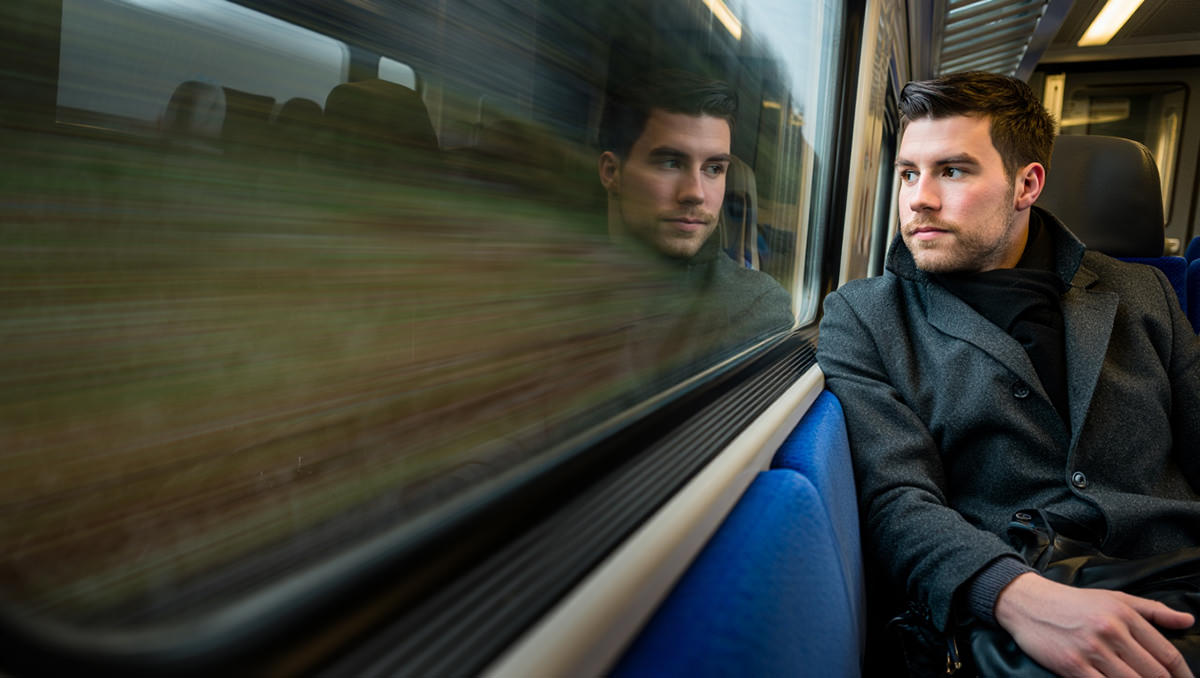
1. Choose the Safest Seat on a Train
Safety begins before the train even leaves the station. No seat is 100% “crash-proof”, but decades of accident analysis suggest certain areas of the train offer better protection during a derailment or collision.
Is the front or back of a train safer?
The best place to be in a crash depends on where the impact occurs, which, inconveniently, is impossible to predict.
That’s why the best general advice is to avoid extremes – the very front and the very back of the train – where collisions and derailments often initiate.
In a head-on collision, the lead car absorbs most of the force. In a rear-end collision, the last car is the most vulnerable. So, during the derailment, cars at the ends are more likely to jackknife or leave the track first. As a result, the more stable middle carriages are statistically the safest place to be in a train crash. They experience less violent movement and are less likely to be crushed or torn open.
This is where trains and planes disagree. Aircraft crashes often favor rear seating – learn all the benefits of sitting at the back of a plane.
Is the top or the bottom of a train safer?
When it comes to double-decker trains, the answer cannot be universal either, as it depends on the kind of crash.
In most serious train accidents, the lower deck is generally safer than the upper deck.
When derailed, trains often tilt, slide sideways, or partially roll. Passengers on the upper deck experience greater lateral and vertical acceleration, essentially being thrown farther and harder. They could even fall down the stairs.
Lower deck passengers have fewer vertical fall risks, they are closer to the train’s center of gravity, and are subject to less violent side-to-side motion during a derailment. The lower deck is also more structurally reinforced, benefiting from underframe energy absorption. So statistically, it tends to deform less.
Which way should you sit on a train?
Coming from the same physics used in aviation (remember aircraft crew seats?) and child car seats, rear-facing seats are generally considered safer than forward-facing ones.
Most serious injuries in train accidents come from sudden forward deceleration, when bodies are thrown in the direction of travel, causing secondary impacts. Forward-facing passengers may slam into seatbacks, tables, or walls, causing head, neck, and chest injuries.
If you’re rear-facing and experience a sudden stop or impact, your back, shoulders, and head are supported by the seat. Your neck is less likely to whip forward violently, reducing injuries in a potential train crash.
So, if the train has seats that face backward, take them without hesitation.
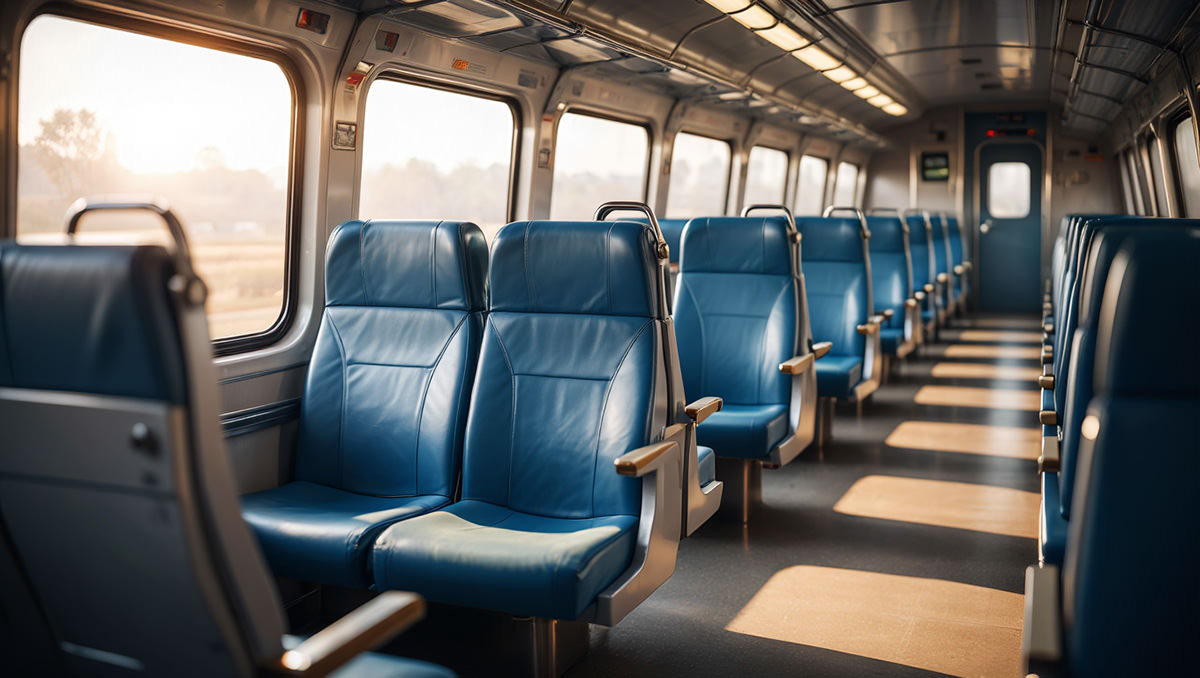
Where is the safest to sit on a train?
Sitting away from windows and walls, a potential zone of impact, reduces exposure to shattered glass, external debris, and structural intrusion.
This is why aisle seats are considered to be the safest seats on a train. Sitting in an aisle seat provides a buffer between you and the glass, lowers the risks of being crushed by other passengers and luggage, and can make evacuation faster.
As for the position within a car, sitting in the middle of the train carriage, rather than near doors or connection points between cars, provides more buffer if the train buckles or telescopes.
What are the areas to avoid in a train crash?
If you want to minimize risks and can choose, these areas carry a higher risk in a crash:
- dining cars – sitting by the tables, whether in a cafeteria or in a passenger car, can be risky, as these rigid objects can become dangerous projectiles or tools for injury
- luggage stacks – sitting near or under heavy interior fixtures, such as unsecured luggage racks, increases the risk of injury if heavy objects become airborne
- glass partitions – shattering glass can cause lacerations and eye injuries
- stairs – falling hazards during sudden deceleration or derailment
All said, in any train crash, staying seated, bracing properly, and not panicking have a much larger impact on survival than obsessing over the safest part of a train.
2. Secure Yourself and Your Belongings
Unlike airplane seat belts, which are effective in preventing injuries caused by turbulence, the studies show that installing seat belts in trains, whose passengers expect the freedom of unrestricted movement, would not make train travel safer, but potentially more dangerous.
So, if seatbelts are not provided, how do you secure yourself? Sit with your back firmly against the seat, with both feet flat on the floor. When you stand up, hold the grab handles lightly. When moving through the train, use vertical poles and overhead bars. Avoid standing near or leaning on doors.
Place heavy bags on the floor, not on overhead racks. In crashes, as seen in the Adamuz collision, overhead luggage often becomes dangerous projectiles. Still, keep aisles clear, so you’re not tripping or blocked during potential evacuation.
Keep essentials (phone, documents) on your body, not in bags, so that in case of a train crash, you can evacuate more easily and avoid plane crash scenarios where panicking passengers get trapped by trying to retrieve belongings.
3. Be Aware of Your Environment
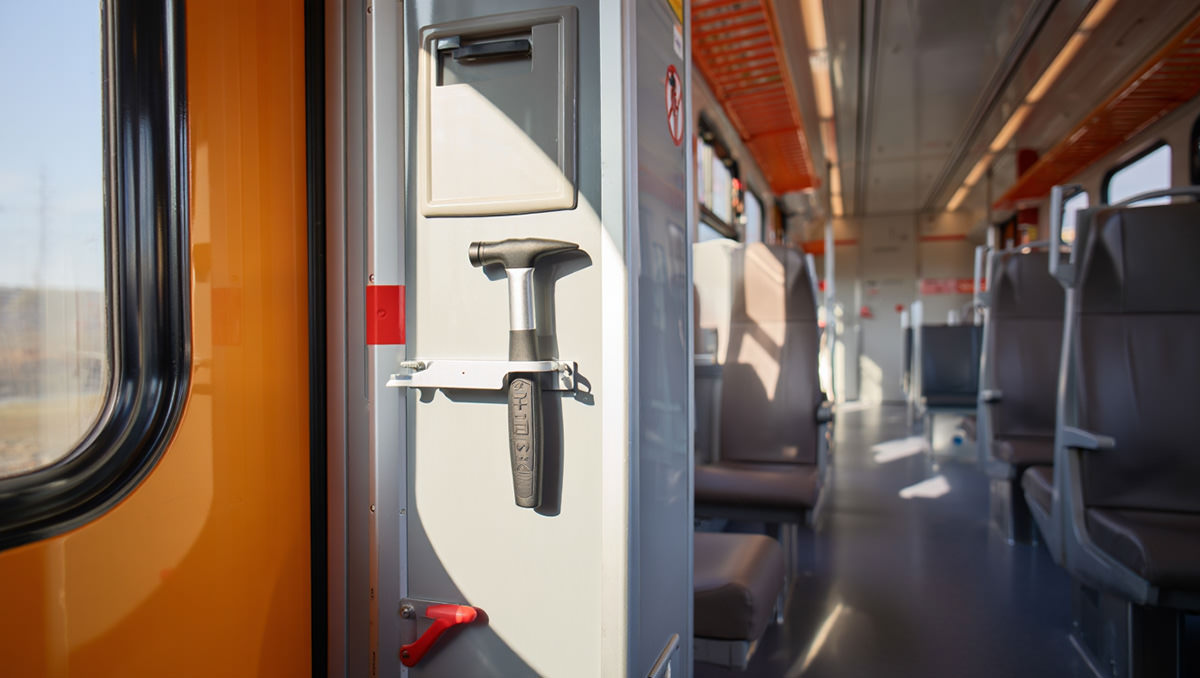
Without turning paranoid, whenever you board a train, take a few seconds to note where the nearest exits, emergency windows or roof hatches, fire extinguishers, emergency brakes, escape hammers, and SOS intercoms are.
This awareness can save crucial seconds later, especially if doors fail, as they did in Thailand’s Sikhio incident.
4. Dress appropriately
Wear what you can escape in – sturdy shoes (no flip-flops) and fire-resistant clothing (avoid synthetic fabrics like nylon, which melt when exposed to heat).
Choose clothing that allows you to move, crouch, and climb if needed.
During a Train Crash – What to Do in the Critical Seconds
If a train crashes or derails, events unfold very fast. Your goal in those seconds is injury reduction, not escape, heroics, or grabbing belongings.
Survival begins by resisting instinct.
5. Brace for Impact
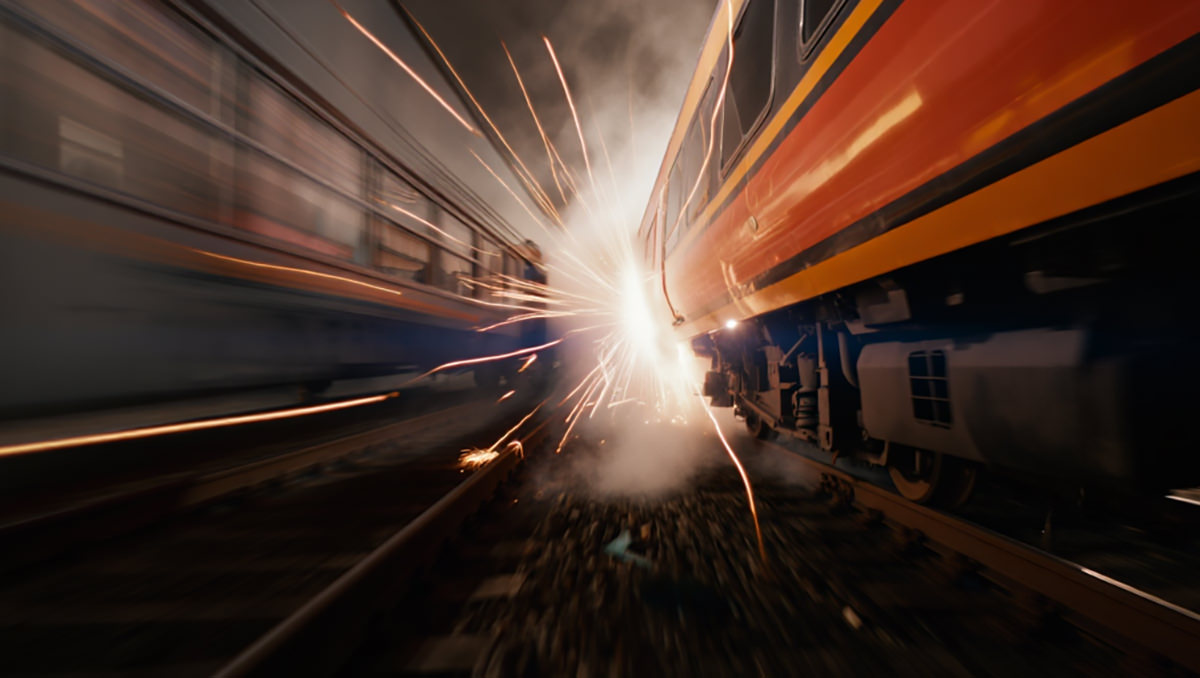
In real crashes, people rarely have time to brace properly. But if you feel sudden hard braking, violent shaking, or hear the sound of screeching metal, you may have only moments to act.
Do what aviation safety videos have taught for decades – assume the brace position! Lean forward, place your head against the seat in front of you (or as close as possible to the bulkhead), or tuck your head down toward your knees, using your arms to protect the back of your head and neck from flying debris and luggage. Press your feet firmly against the floor.
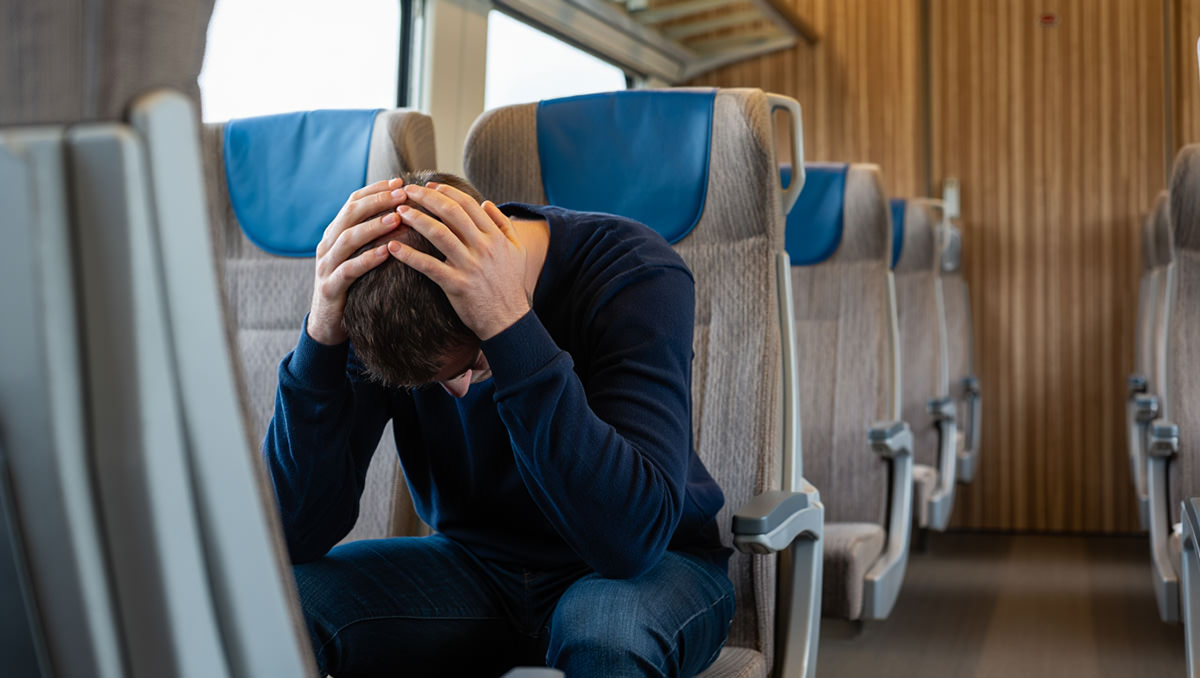
If you are standing in the aisle, drop to the floor immediately, and stay low. Grip a sturdy object if possible, to avoid being tossed around the cabin.
Fight the “flight” instinct. Standing up too early or running toward the exit while the train is still moving can lead to severe injuries from falls and secondary impacts.
Jumping from a train during a crash also increases the risk of severe injury or death. Staying seated and bracing properly is almost always safer.
Trains can bounce, roll, and collide multiple times. Wait until all motion has fully stopped.
After the Crash – How to Get Out Safely
Surviving the impact is only half the train crash challenge. Many serious injuries happen after the crash, during poorly judged evacuations.
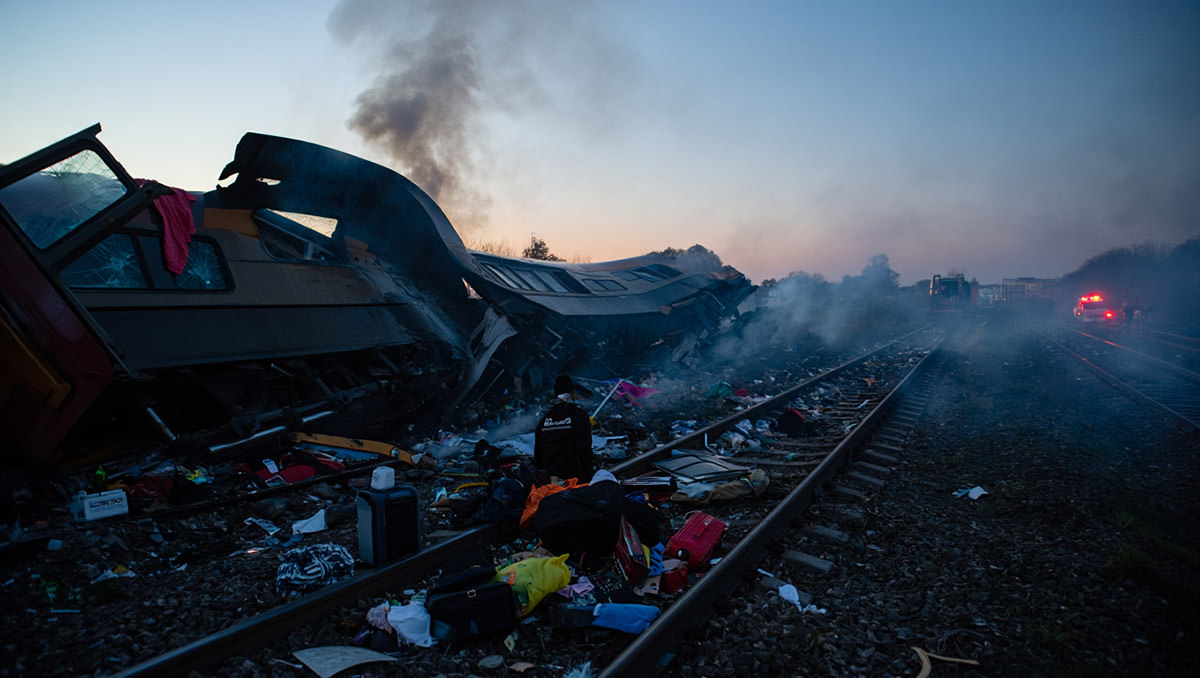
Once the train comes to a complete stop, danger may still be present. Fire, smoke, unstable carriages, and oncoming traffic on parallel tracks present secondary risks.
This is where calm thinking saves lives.
6. Assess Before You Move
Before doing anything else, take a moment to check yourself for bleeding or fractures. Stay calm and control your breathing. If you are seriously injured, do not move unless there is an immediate threat such as fire, smoke, or flooding.
If there is smoke, stay low to the ground where the air is clearer. Cover your mouth and nose with a piece of clothing. Move away from the fire source quickly but calmly. Never open doors blindly – check for heat with the back of your hand before touching handles.
7. Evacuate Only When Necessary
Leave the train only if there is fire or heavy smoke, if carriages are unstable, tilted, or at risk of collapsing, and if train staff instructs evacuation.
Otherwise, staying put may be safer until emergency services arrive.
If doors are blocked, use emergency window releases. Be mindful of the height or drop outside.
When exiting, don’t panic, rush, or push others in front of you.
Beware of broken glass, sharp metal, and fuel spills.
Be extremely cautious of downed power lines as they can be lethal. If you see wires touching the train or the ground, stay inside until emergency responders confirm the power is cut, unless there is an immediate threat like a fire.
Avoid walking on tracks unless told to do so. If unavoidable, remain alert: Another train may be approaching on an adjacent track, threatening a secondary collision.
8. Help Others – But Only If It’s Safe
Once you are out and reach a safe area, console those in shock and assist the injured ones. Do not attempt to move anyone with suspected neck or spinal injuries unless they face immediate danger from fire or collapse.
Also, help others only if you can do so without risking your own safety.
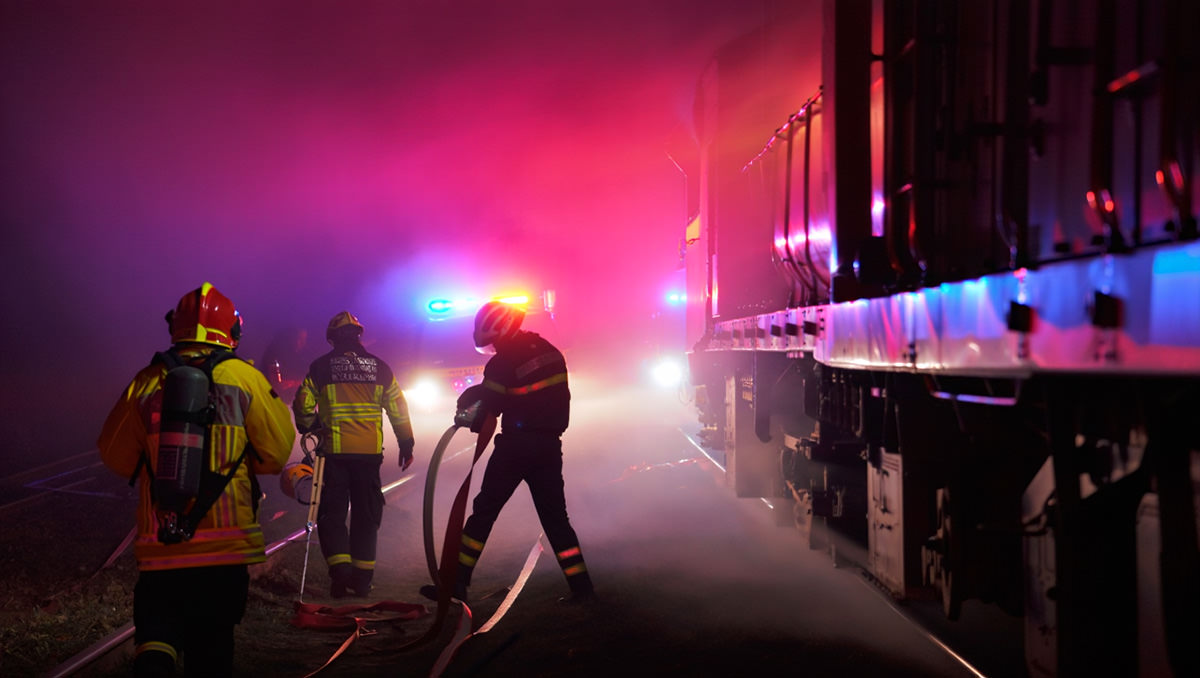
If you use your phone, use it for calling emergency services, not filming. Even if others are calling, make sure that 911 (in the USA) or 112 (in Europe) or other local emergency responders have been notified of the exact location of the train crash, its nature, and the number of injured.
That video can wait. People can’t.
9. Seek Help – Even If You “Feel Fine”
Adrenaline lies.
Go to the hospital even if you think you’re uninjured. Internal injuries, concussions, and shock often reveal themselves later.
Once medical needs are addressed, consider legal help. Consulting a personal injury lawyer can clarify liability, compensation, and next steps, especially in large-scale rail accidents.
Surviving a Train Crash – Conclusion
Despite the gut-twisting headlines, train travel is incredibly safe, far safer than most other ways of getting around. You’re far more likely to be involved in a car accident than a train derailment.
Think of this guide as a mental seatbelt – something you carry quietly, hoping you’ll never need it
If you do, against all odds, experience a train crash in your lifetime, surviving doesn’t require superhero strength or courage. You just need to stay grounded and aware, and willing to follow the instructions of the authorities.
Most passengers who walk away from serious rail accidents do so because they avoid panic, brace correctly, and make smart decisions when it matters most.
Think of this guide not as a reason to worry, but as a mental seatbelt – something you carry quietly, hoping you’ll never need it.
Safe travels.
If you know people who ride trains regularly, consider sharing this article. You may never need these tips yourself, but someone else just might.
Pin this guide on how to survive a train crash for future reference!