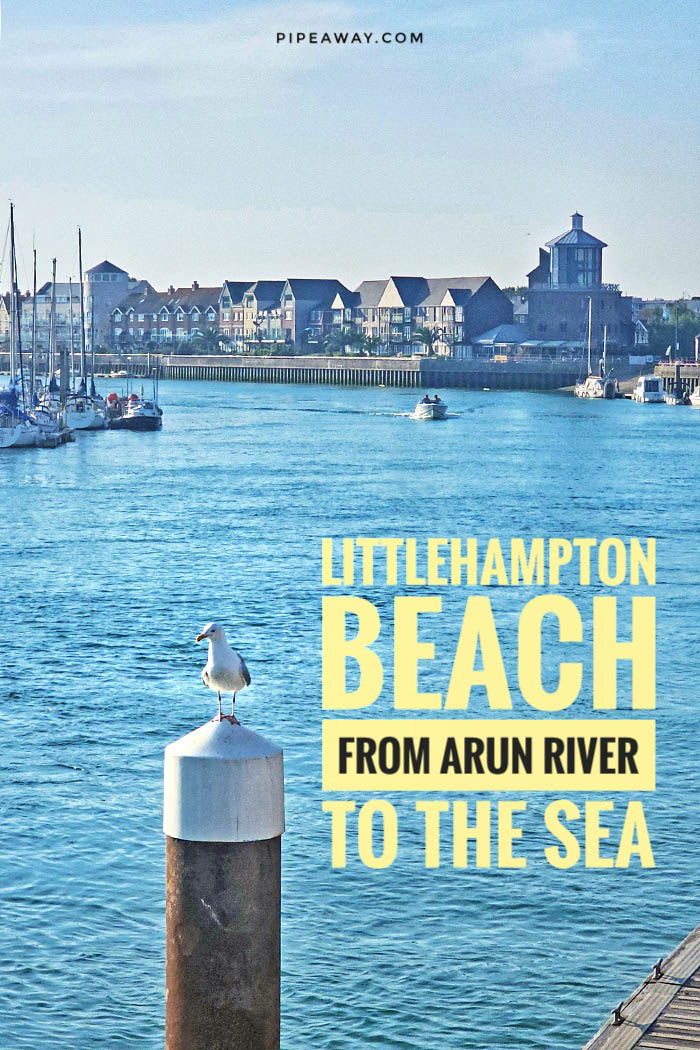
Ask a Londoner where they went to the beach as a child, and you’ll get Brighton (the obvious choice), Bournemouth (the safe choice), or a long pause followed by “somewhere in Sussex, I think, little place, very nice, had amazing fish and chips”. That little place is probably Littlehampton.
Littlehampton Beach hosts the world’s longest winding bench – 324 meters of it
About 100 kilometers south of London, hidden in the shadows of its louder, flashier neighbors, Littlehampton is among West Sussex’s most-whispered secrets.
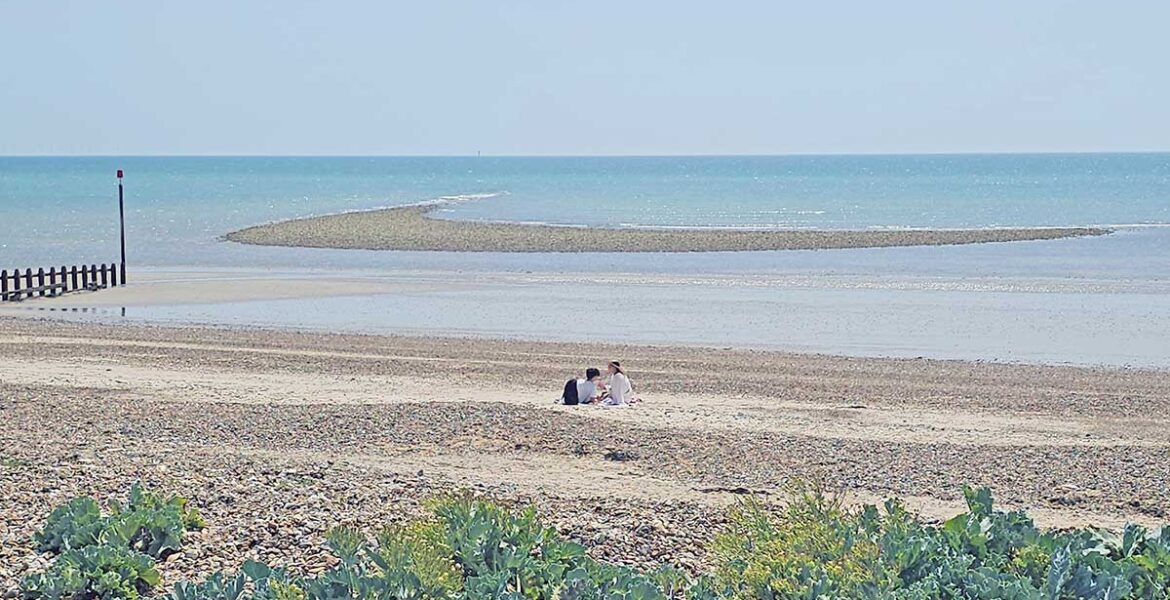
The facts are all publicly available, so the place can hardly stay classified. But in some unusually esoteric development, Littlehampton has managed to cloak itself against mass tourism, leaving behind a rather grand stretch of sand and shingle, where you can spread out a towel without accidentally joining another family’s picnic.
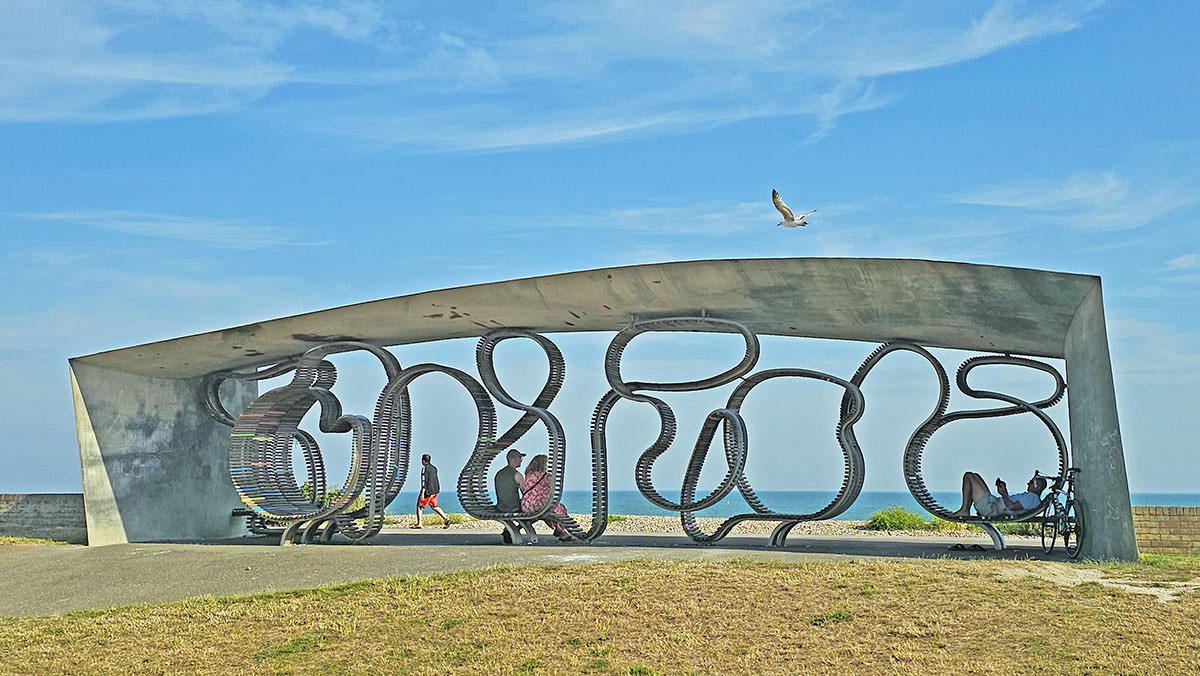
Littlehampton Beach, its main part 1.5 kilometers long, appropriately hosts the world’s longest winding bench – your tired legs will thank you for it. If that’s not enough rest in your breeze-generous stroll, you can also sit down at a famous seafront café housed inside a radical piece of architecture.
Perfectly fitting into the hush-hush vibe, Littlehampton is the original home of libellous letters that gripped 1920s Britain. Case-cracking aficionados will be happy to learn that James Bond was also conceived here.
If you’re just looking for a place to unwind, no secret agent skills are required. Hard to miss, Littlehampton Beach caters to a wide range of tastes. Depending on which side of the River Arun you wander, you’ll find either a buzzing family resort with ice creams and amusements, or a deserted nature reserve where you can walk for miles without bumping into anyone except sand lizards darting between marram grass.
This is Littlehampton, one of the most interesting strips of coastline in southern England.
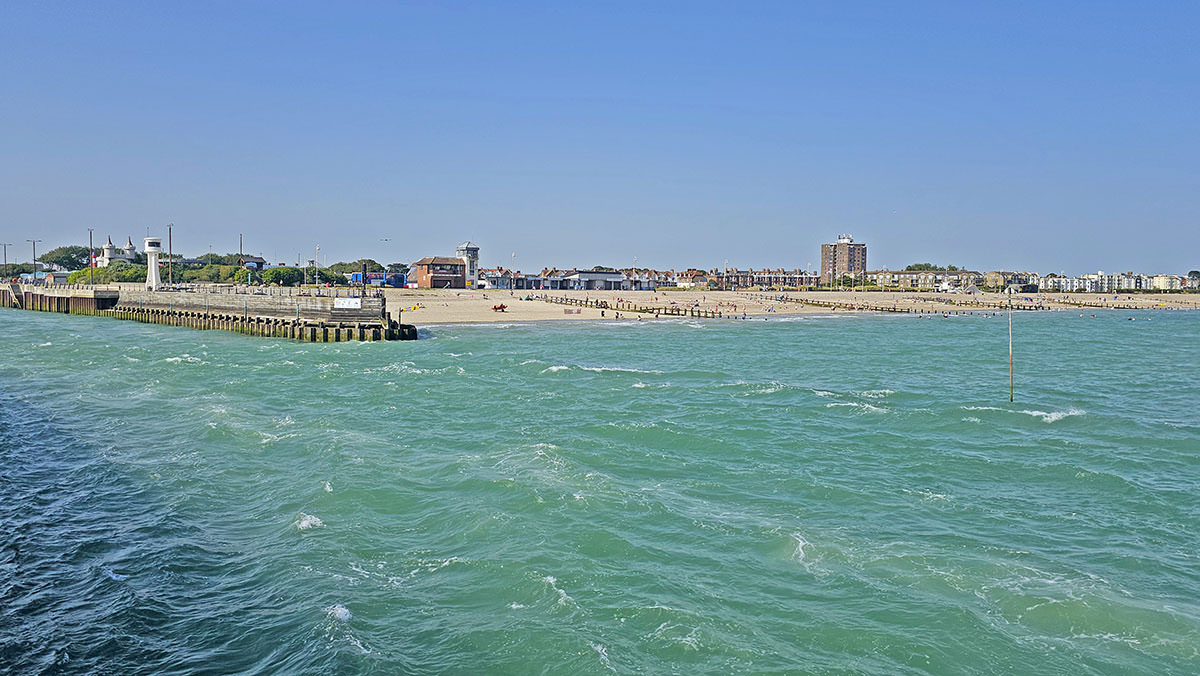
Where exactly is Littlehampton?
Littlehampton sits in the county of West Sussex, tucked between Worthing and Bognor Regis, roughly halfway between Brighton and Chichester on England’s south coast.
Its location makes it remarkably accessible. Direct trains from London Victoria reach Littlehampton in around two hours, making it a perfectly viable day trip for city dwellers desperate to swap concrete for sea air. By car, the A23, A24, or A3 via A283 each offer straightforward routes south.
Littlehampton's name comes from the Saxon 'hamm tun' (meaning the farm/hamlet by the river meadow), later evolved to Hampton. In 17th century, 'Little' was added to its name to avoid confusion with the much larger port town - Southampton. Here are some day trips from Southampton worth considering!
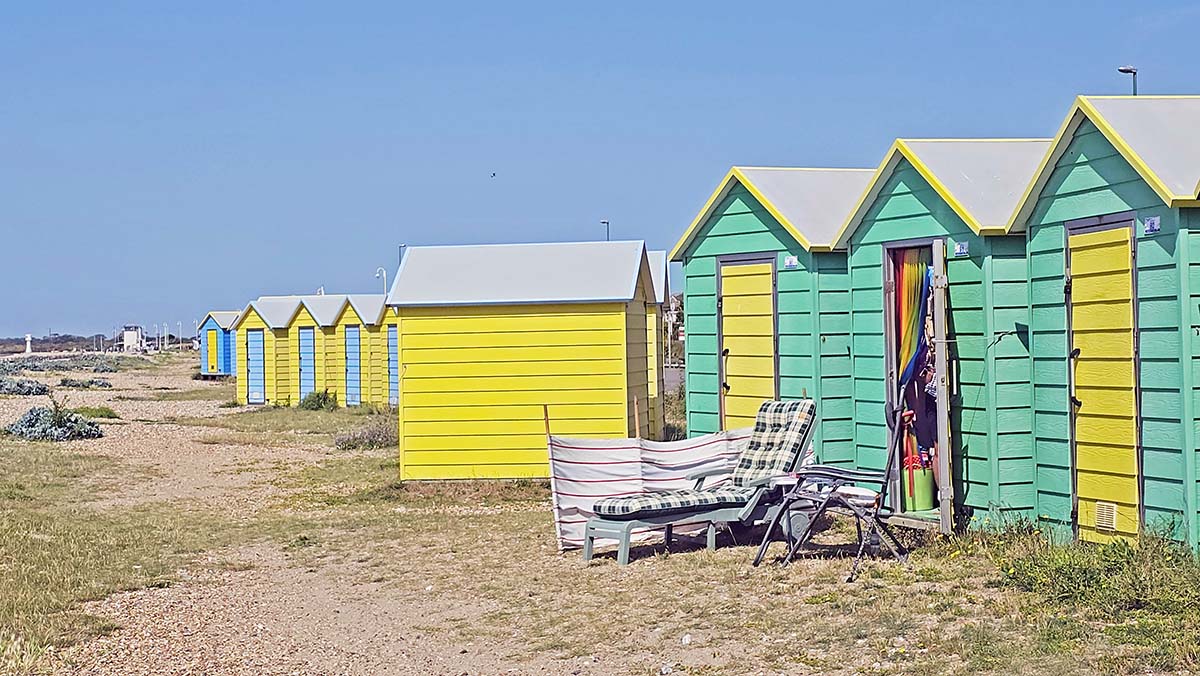
Littlehampton Beach = two beaches
The River Arun flows through the center of Littlehampton before spilling into the English Channel, effectively dividing the coastline into two distinct beaches, radically different in character.
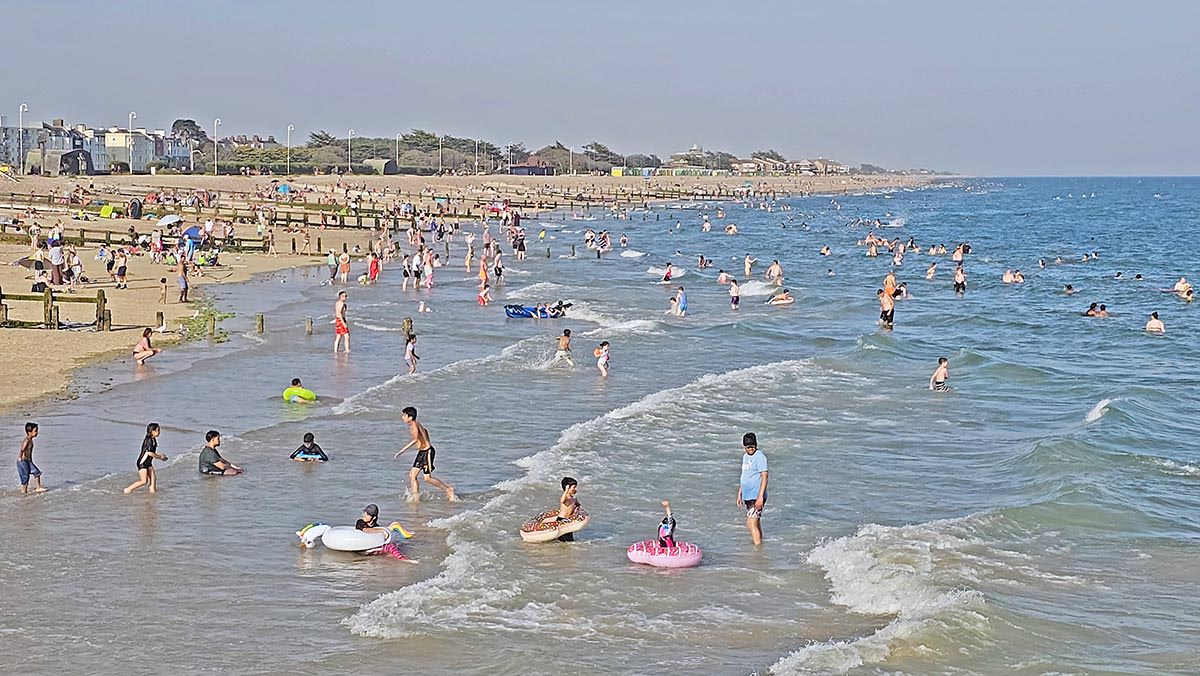
East Beach – in the midst of summer, it can be even busier than this
East Beach offers the classic seaside holiday experience. This is where you’ll find a lively promenade, family attractions, well-maintained seafront gardens and the UK’s longest bench. There are ice cream shops and faded pastel beach huts, a miniature railway that has been delighting children since 1948, lifeguards on duty through the summer, and that particular ambient soundtrack of a British beach – seagulls, laughter, music.
East Beach regularly wins the Seaside Award from environmental charity Keep Britain Tidy for water quality, management, and facilities standards. It is widely regarded as one of the most family-friendly beaches on the south coast. A free Kidcare wristband scheme, offered by the Beach Patrol Office, operates to reunite separated families, because even on a beach this relaxed, small children remain unpredictable.
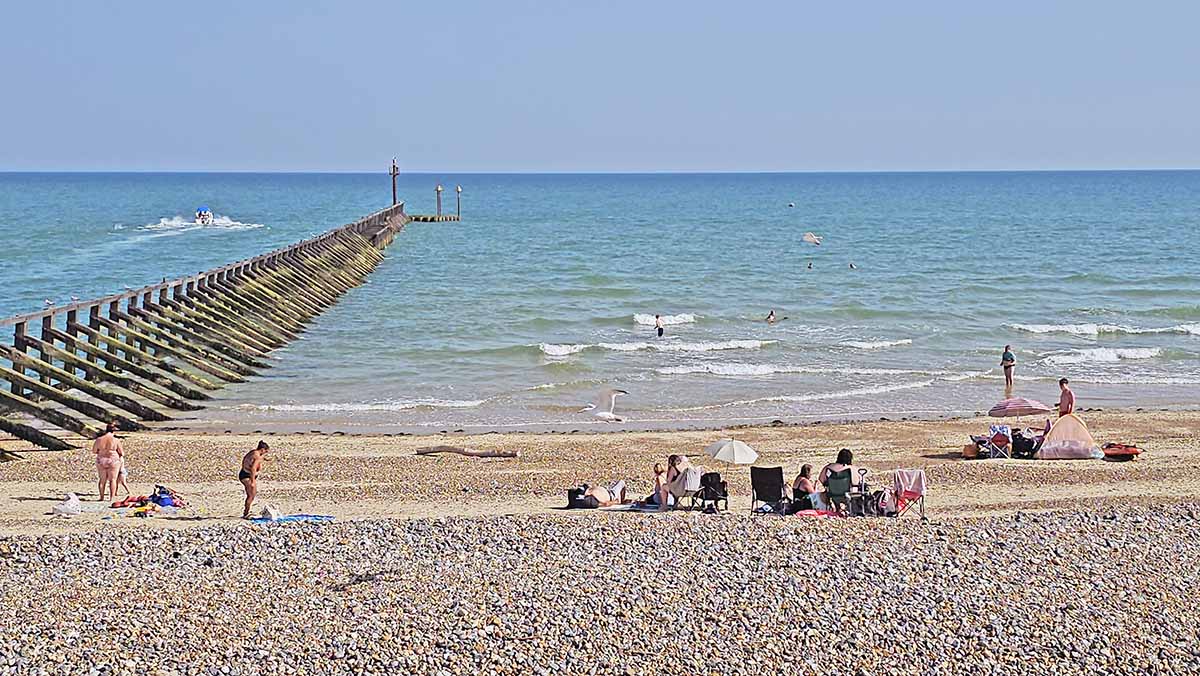
Cross the river via the retractable Littlehampton Harbour Bridge near the train station and, on the other side, tucked behind a steep bank of shingle, West Beach (switching to Climping Beach) provides a complete contrast: a quieter, almost wild escape, with the Isle of Wight floating on the horizon, on clear days.
This undeveloped stretch of coastline, backed by an extensive dune system and the Littlehampton Golf Club, is where nature still has the upper hand. West Beach’s dunes are classified as both a Local Nature Reserve and a Site of Special Scientific Interest with national protection. The landscape, laced with resilient marram grass and sea holly, is home to sand lizards, some of the rarest reptiles in the United Kingdom.
Looking for an inspiration for sand castles? Check out the fascinating Belén de Arena, constructed from Spanish beach sand.
The Café Effect
East Beach Café is quite an extraordinary landmark in Littlehampton. The café in rusted steel was created in 2007 by award-winning designer Thomas Heatherwick, today best known for the 2012 Olympic cauldron, London’s New Routemaster bus, and Google’s campus in California, but at the time of this commission, a young talent Sir Terence Conran, the legendary design icon, had called “the Leonardo da Vinci of our times”.
The commission came from local entrepreneur Jane Wood and her daughter Sophie Murray, who had bought the plot with a passable kiosk on an unspoilt promenade, and decided to do considerably better.
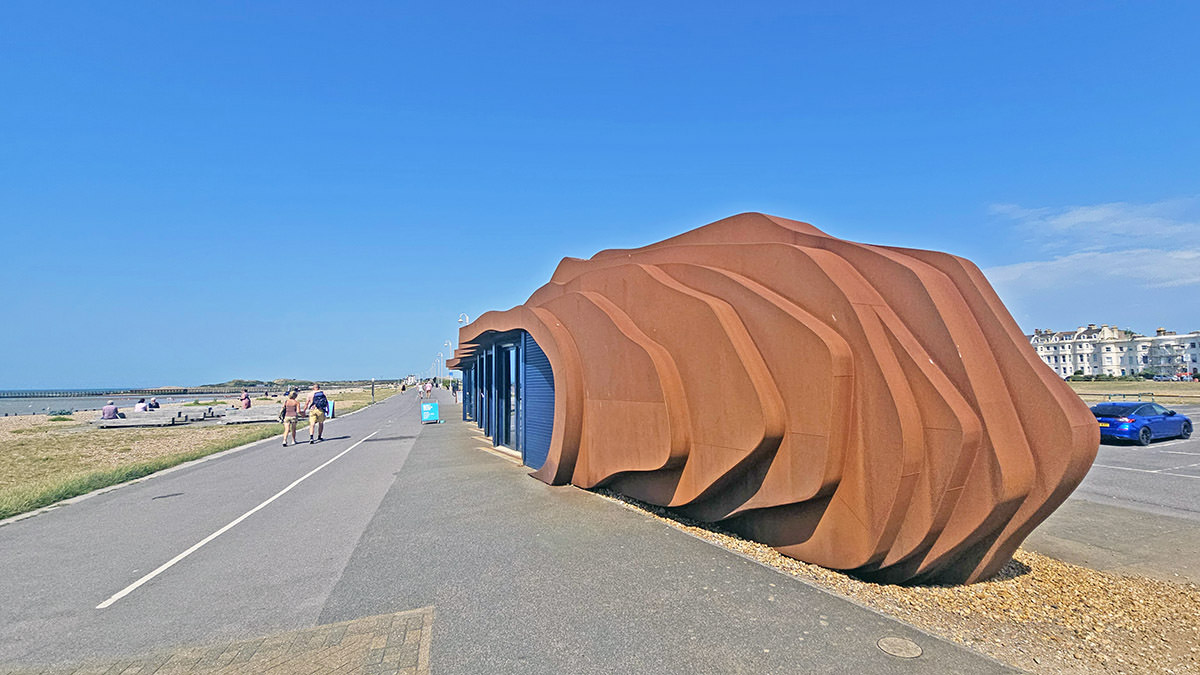
Rejecting the usual vocabulary of seaside architecture (white sails, Art Deco nostalgia…), Heatherwick took his inspiration from the beach: its waves, shells, pebbles, seaweed… The result is a 40-meter sculptural structure resembling the skeleton of an enormous whale, the hull of a beached ship, or a gigantic but very stylish piece of driftwood.
With numerous awards for its architecture, East Beach Café revived the world’s interest in a sleepy coastal town. This is often described as an example of the Guggenheim effect, the phenomenon of a destination identity’s radical transformation through a single piece of architecture, named after Frank Gehry’s titanium museum that revitalized Bilbao.
In 2008, the mother-daughter duo engaged in a similar but quieter property development on the other side of the river, too, dedicating it to sustainably sourced fish & chips. The tiny West Beach Café, whose facade opens up like a dollhouse, was designed by architect Asif Khan. The same like its older sibling, this one was also built by local craftsmen.
A Very Loooooong Bench
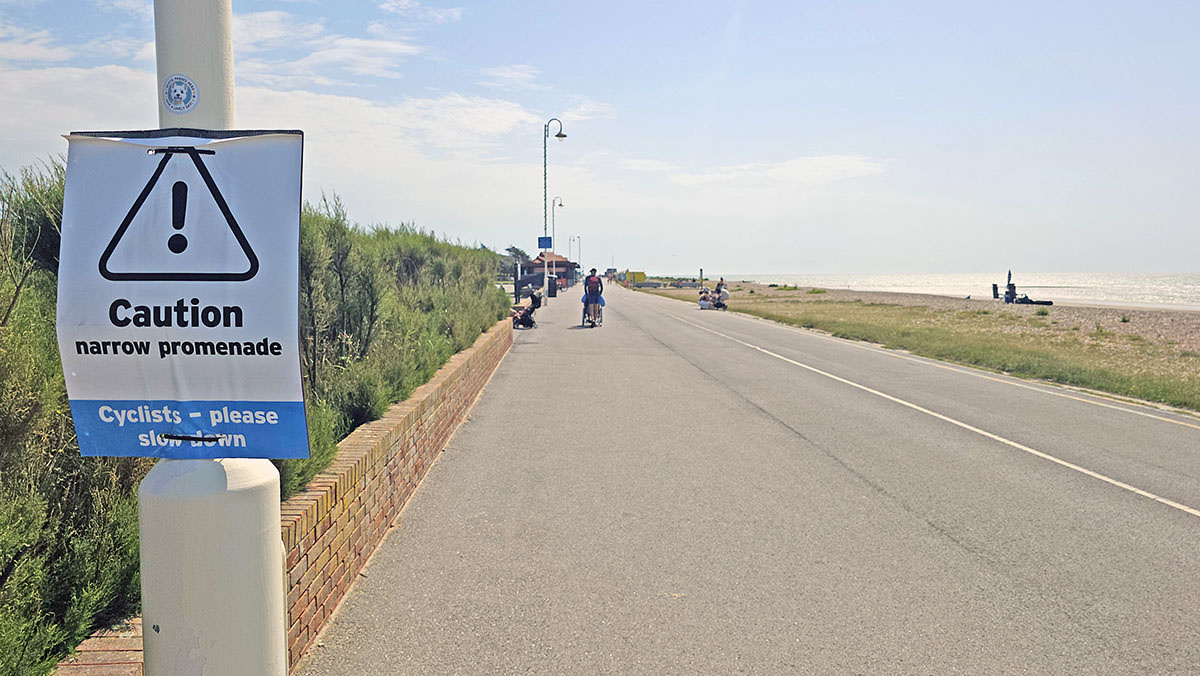
Between the East Beach Café and Harbour Park Amusements, marking a generous stretch of the promenade, lies one of Britain’s strangest and most lovable public installations. Featured on the lists of the world’s longest benches, this one measures 324 meters while snaking along the seafront of Littlehampton, curving around lampposts, dipping in and out of the ground, and offering even two roofed shelters for walkers.
Initiated by, again, Jane Wood and Sophie Murray, and designed by London-based Studio Weave, the bench is built from reclaimed tropical hardwood (9,000 slats!), salvaged from landfill and old seaside groynes, with colorful bars following the meandering form.
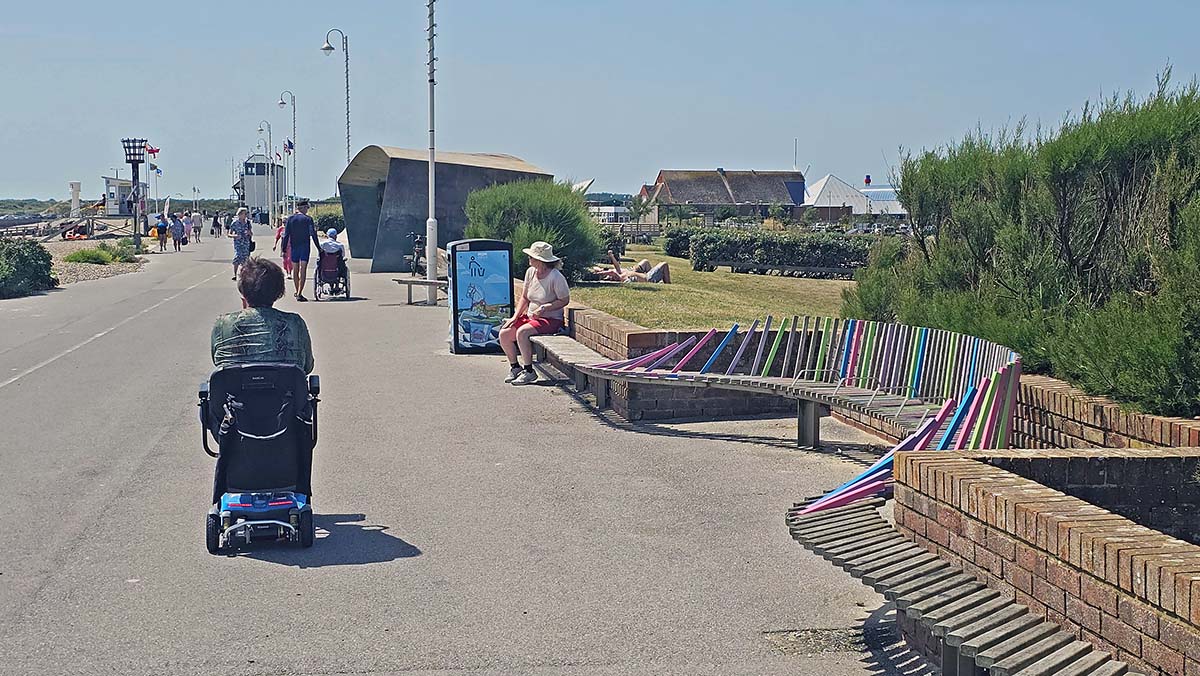
The twisted bench opened in July 2010 and can seat over 300 people comfortably. Should any rival town be tempted to contest the status of the UK’s longest bench by constructing an even longer one, Littlehampton’s design extension is prepared: the landmark bench can grow to over 620 meters, with a space to seat more than 800 adults. No out-benching without a fight!
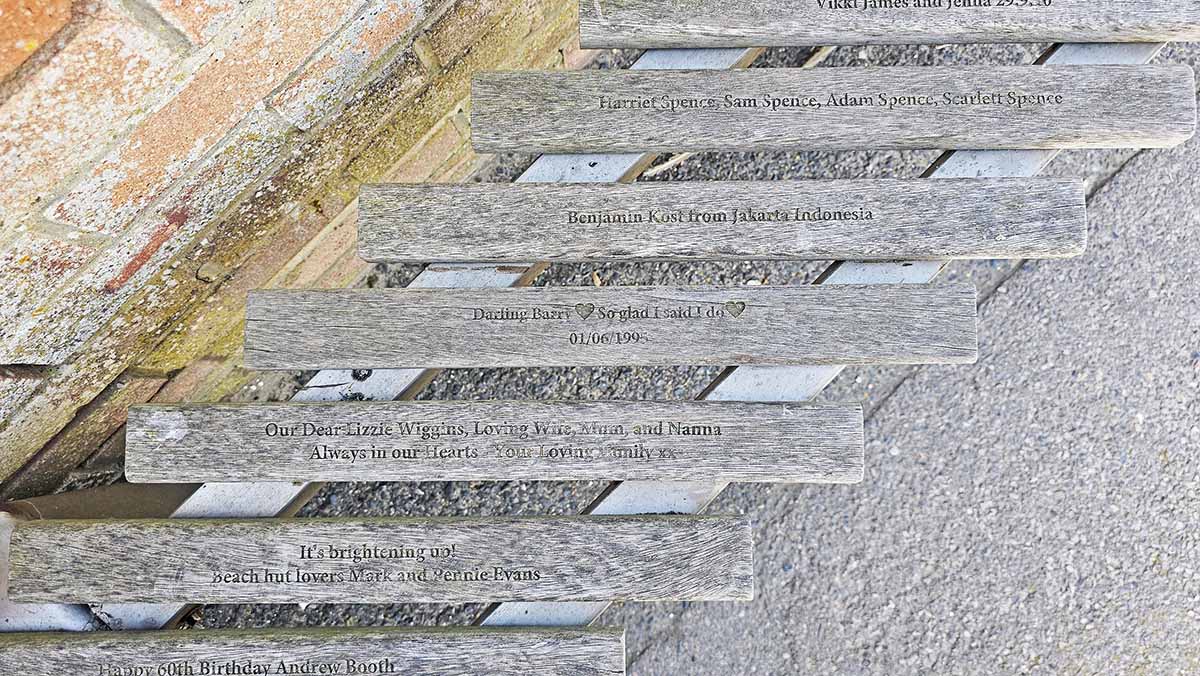
The Littlehampton community expressed the need for more seating at the seafront, but also got quite literally invested in this creative-regeneration project. Members of the public could buy individual slats, engraving them with personal messages: birthday wishes, beach memories, tributes to loved ones, and even a marriage proposal.
The most significant contribution for this project, however, came from Gordon Roddick, who made a generous donation as a tribute to his late wife Anita Roddick, Littlehampton’s most famous daughter and founder of The Body Shop, a pioneer of the ethical beauty industry.
There are other ways of escaping the London heat that do not include traveling to the coast - for instance, joining the World Naked Bike Ride.
The Spy’s Birthplace
In 1942, when the eco-cosmetics activist was born in a bomb shelter as Anita Lucia Perilli, a secret wartime group was conceived in Littlehampton. During the Second World War, the town served as the headquarters of the 30 Assault Unit, a band of specially trained naval commandos whose remit was essentially licensed espionage: infiltrating enemy territories to seize intelligence before it could be destroyed.
The members of 30AU were trained in safe-cracking, lock-picking, and other spycraft. After D-Day, these forces captured top-secret German technology and archives, material that would later serve as crucial evidence in the Nuremberg trials.
This remarkable unit was the brainchild of Commander Ian Fleming, who would, after the war, channel his considerable experience of adventures in classified operations into a series of novels about a certain secret agent.
So the next time someone asks where James Bond was really born, the accurate answer might be: on a beach in West Sussex.
Poison Pen Letters Instead of Postcards
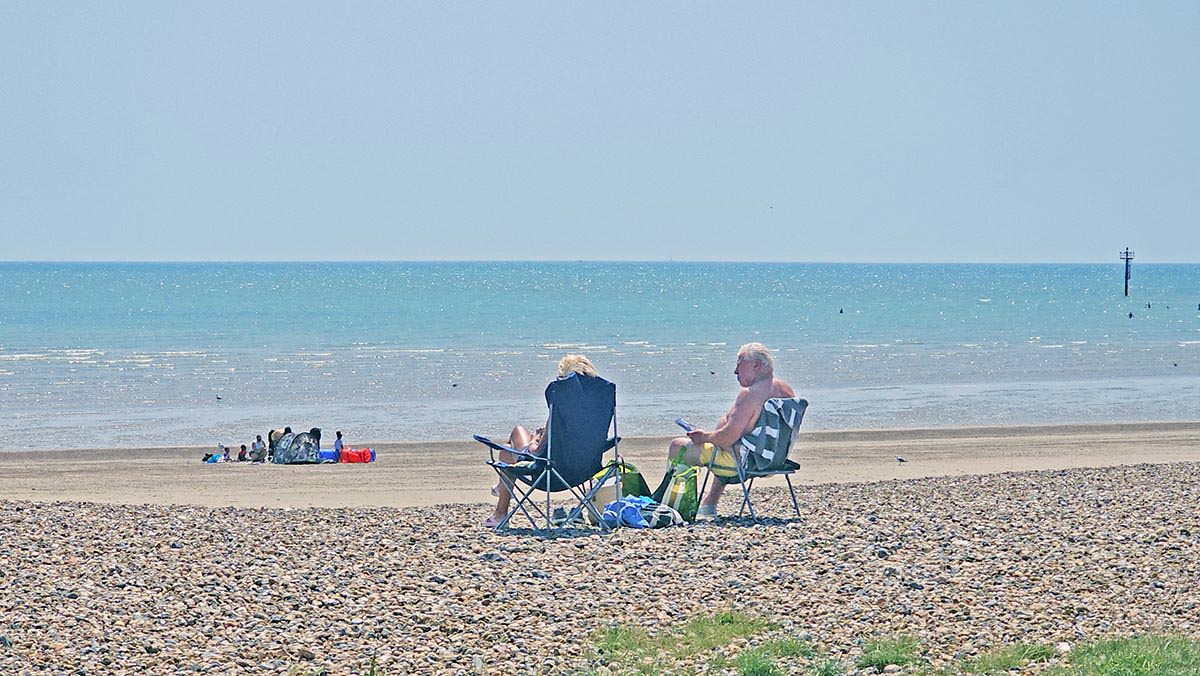
Littlehampton today might seem a slightly more boring than a spy thriller, a place for switching off and not doing much. Out of 33,000 citizens, almost a third are older than 60. It’s one of the favorite retirement towns, where many come to appreciate the quieter tempo of life.
A century ago, however, the situation was a bit different – all hell broke loose in the town that Victorian tourism literature had labeled “The Children’s Paradise”. Between 1920 and 1923, a series of letters containing obscenities and spectacular false accusations was sent to numerous residents of Littlehampton. The language was so shockingly explicit that the court refused to read the letters aloud, to spare the jury’s blushes. From Parliament to the national press, everyone debated the scandal.

The setup was pure suburban noir. Edith Swan, a thirty-year-old laundress, and Rose Gooding, her neighbor on Western Road, had once been friends. The friendship collapsed after Swan reported Gooding to the National Society for the Prevention of Cruelty to Children, falsely accusing her of maltreating a child. Shortly after, Edith sent the first poison pen letter to herself, signing it as Rose. Then another. Then another. The letters began spreading across the neighborhood, upsetting everyone in the “quiet seaside town”.
Rose Gooding was prosecuted, convicted, and imprisoned (twice!) for letters she hadn’t written. With the help of planted marked stamps, Swan was finally caught in the act in June 1923 and sentenced to a year in prison.
Exactly a century later, “Wicked Little Letters”, a film starring Olivia Colman as Swan and Jessie Buckley as Gooding, was released. If you want to see Littlehampton’s wilder side, it’s available on Netflix.
No Threats Today
Nowadays, you don’t need to expect D-Day dramas and post office traumas in Littlehampton. Considerably less eventful (which, for many visitors, is an advantage), the town may be some distance from its Victorian tourism heyday.
Beach Hotel, where Fleming stayed between intelligence operations, was demolished and replaced with flats. Despite the lack of proper hotels, this “narcoleptic West Sussex town” (as diagnosed by Stephen Bayley, the architectural writer) still imagines itself as a holiday resort of the future.
A few out-of-the-box constructions won’t rewire a stagnant opposition to change in a day. There’s a long way to go, but the early 21st-century developments did increase the touristic interest in the town.
Littlehampton celebrates “doing less”. Only tides shift here quickly
From the East Beach Café’s rusted contours to the sand-dune-inspired curves of the Acoustic Shells designed by Flanagan Lawrence, our gaze is attracted by the extraordinary visual surprises.
But sometimes, pleasures are much simpler.
It can be enough to just have the freedom to race towards the sea with a unicorn floatie, defying printed warnings against the use of inflatables near the strong currents of England’s fastest-flowing river.
Confident seagulls stealing an entire box of pizza are sufficient to ruin (or make) someone’s day.
A soft ice cream is worth queuing for even if it’s sold from the most ordinary-looking kiosk. The only urgent thing to do at Littlehampton Beach is to lick it quickly, as melting stubbornly resists the slowdown call.
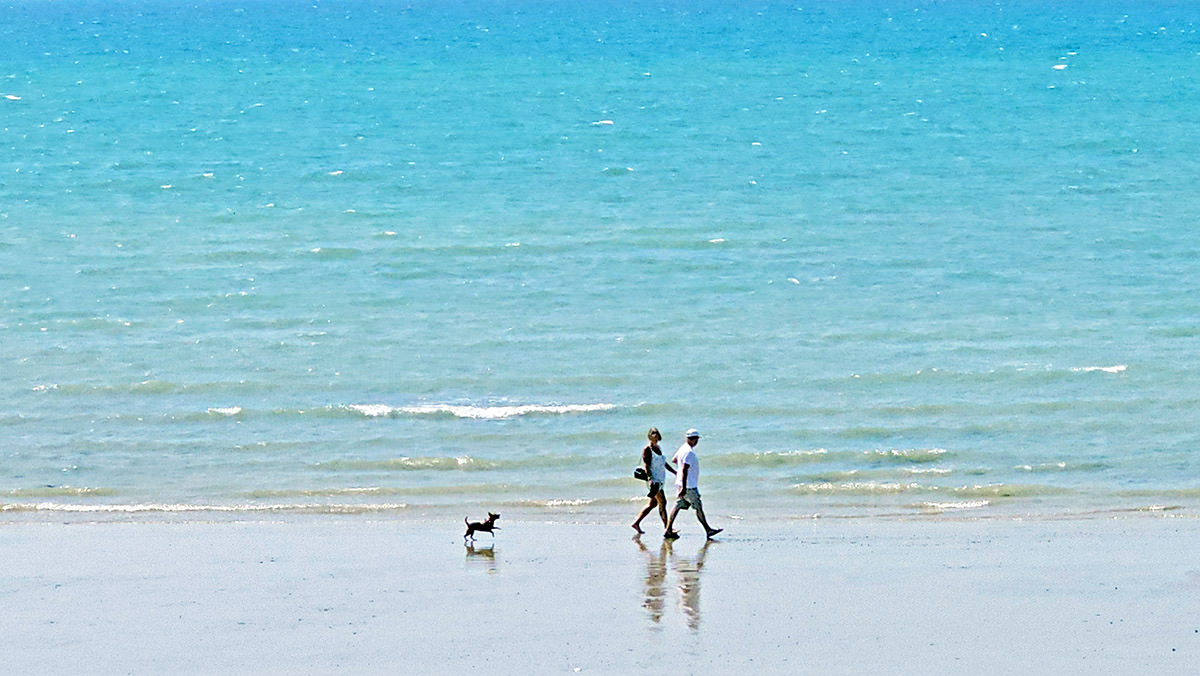
Littlehampton celebrates “doing less”. Unlike promenades lined with souvenir shops demanding your attention every few meters, this waterfront has left enough breathing room between its attractions to let you notice the coastline itself.
From early-morning jogging with a musical background of halyards clinking against masts in the breeze, to spotting fishing boats returning to the harbor in the evening, trailing their own hungry seagull escort, you are embraced by the place that flirts with contemporary, yet accepts changes at its own pace.
Only tides shift here quickly. Maybe that persistent resistance to change is Littlehampton’s most intriguing secret.
LITTLEHAMPTON BEACH - FAQ

How far is Littlehampton Beach from the train station?

It’s a very short walk over a mostly flat terrain. Littlehampton Beach sits roughly 1 kilometer from Littlehampton railway station - about 15 minutes on foot. Follow Terminus Road - Hight Street - Surrey Street - Pier Road, and then you’re right on the seafront.

Is Littlehampton Beach sandy?

Yes and no. Both beaches combine sand and shingle, with broader expanses of sand revealed as the tide retreats.

Is Littlehampton Beach safe for swimming?

Part of the East Beach, marked by the red-and-yellow flags, is patrolled by Royal National Lifeboat Institution (RNLI) lifeguards during the summer months. As with all tidal beaches, be aware of currents, particularly near the river mouth. Water temperature in high summer hovers between the character-building 16-19°C (61-66°F).

How clean is Littlehampton Beach?

Bathing water quality at Littlehampton Beach is normally classified as ‘good’. After heavy rainfall, it’s advisable to wait at least 24 hours before swimming. Heed the warning signs on rare pollution risks that can occur, but are normally temporary. As for the beach itself, it’s regularly cleaned by professionals, but it also stimulates visitors’ contribution - at the beginning of the promenade, one can borrow a little picker and a reusable bag and join #2minutebeachclean movement.

Is Littlehampton Beach dog-friendly?

Between May 1 and September 30, East Beach has restrictions. No dogs are allowed on the beach between the river and the beach huts, and leads are required on the promenade. West Beach, with its wide open shoreline and quieter atmosphere, is more accommodating for pet owners.

Can you rent Litthelampton beach huts?

Some beach huts are available for sale, and they are usually listed at £20,000. It is also possible to rent double-sized and fully accessible huts - a day hire costs £65.

Is Littlehampton Beach accessible?

The promenade along East Beach is wide, mostly level, and suitable for wheelchairs, mobility scooters, and strollers. Accessible restrooms and disabled parking are available nearby. Although accessing the shingle and sand is a challenge, the paved promenade provides excellent sea views.

Is there parking at Littlehampton Beach?

Yes. East Beach has pay-and-display East and West Green seasonal parking lots (£2.50/hour or £4.90 for three hours in summer). West Beach has a smaller lot at the same rates, which fills quickly on sunny days. Early arrival is strongly recommended on any weekend that doesn’t involve rain.

Which is better: East Beach or West Beach?

East Beach is ideal for families, cafés, and seaside entertainment. West Beach is quieter, wilder, and better suited to walking, wildlife spotting, photography, and solitude.

Can you walk between East and West Beach?

Not directly along the shoreline, as the River Arun separates them. The pedestrian route is via the Littlehampton Harbour Bridge. You’ll need 15 minutes of riverside walk to reach this red pedestrian drawbridge.
Did you like this Littlehampton Beach guide? Pin it for later!